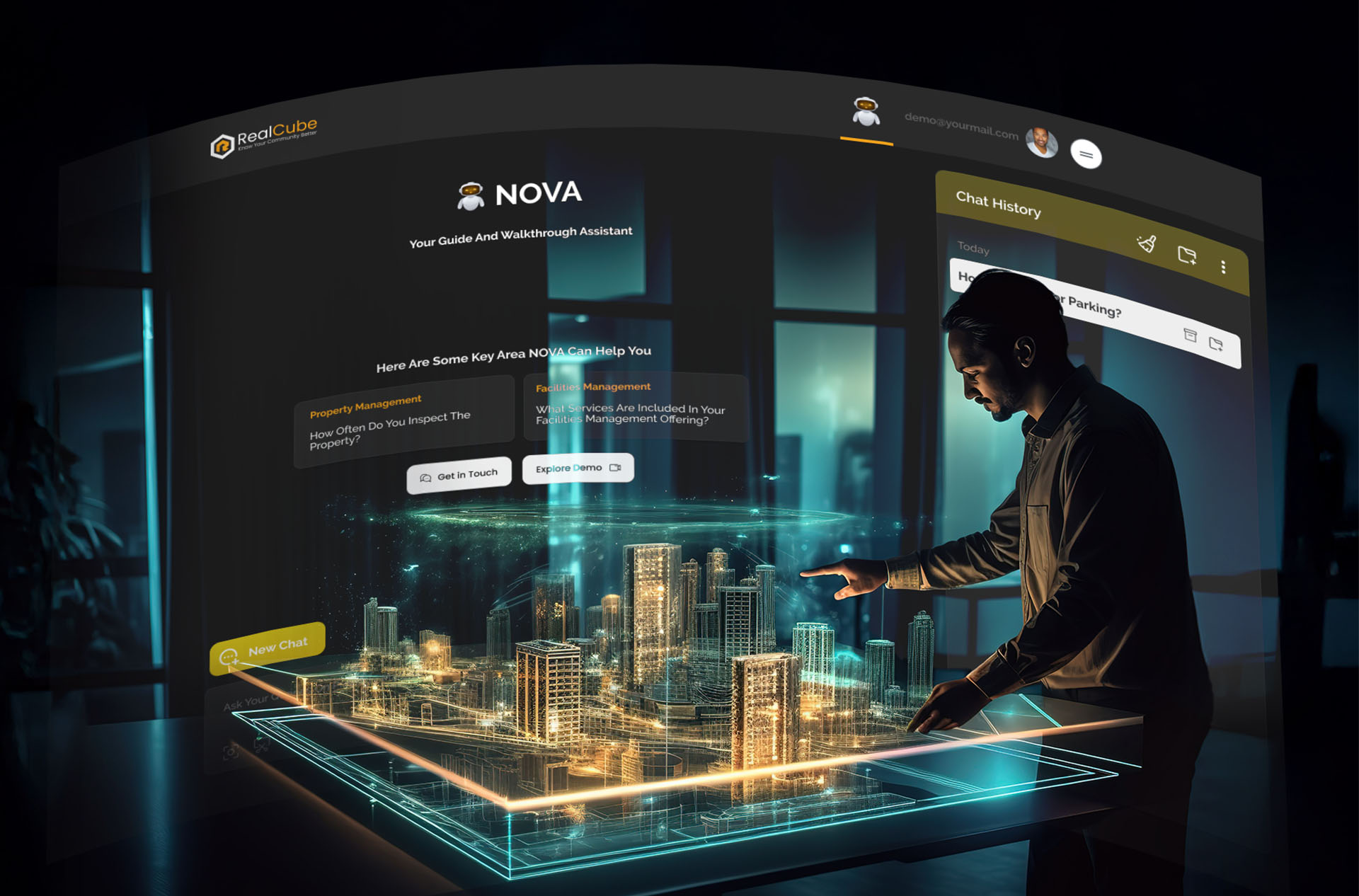


Technology has changed significant sectors over the past 20 years, including media, climate action, healthcare, marketing, sales, and even education. Real Estate is no exception, and the new age of technology influences it. Whether you're looking to buy or rent a home or you're an agent trying to sell one, pulling up listings to browse on your phone or tablet is the norm these days. But that's just the tip of a vast iceberg that's impacting the real estate sector as technology continues to play a vital role in how consumers and industry professionals approach the market. There's a lot of opportunity within residential and commercial properties to use emerging technologies - PropTech solutions, and help grow the real estate industry.
Here are 5 ways in which technology is changing the real estate industry and making it more personalized and portable:
-
Cost-effectiveness through technology:
A significant way through which technology affects the Real Estate industry is cost-effectiveness. The industry stakeholders can control costs a lot easier with the help of modern-day tools adopted by them. Cloud computing allows employees to seamlessly utilize a company's hardware and software infrastructure to access information on the go, which reduces cost and turnaround times and increases efficiency. In the past, the profitability of a business was determined by the number of employees it had, but now things have changed. Companies can leverage modern technology, which is a one-time investment, and provide customers faster, leaner, and more efficient services and cost-effective. -
Artificial Intelligence:
One of the most prominent technologies of the 21st century is Artificial Intelligence. At first, AI and Real Estate might not look like a right fit, but they complement each other in more ways than one. AI never sleeps, which means a Real Estate company can use AI bots to better communicate with potential clients who visit their websites or social networking profiles. It can also impact the industry through Machine Learning. With ML, companies can learn from the data provided by their clients and fuel smarter business decisions through pattern recognition - to determine information about a property or a neighborhood or the kind of listings a client wants. -
CRM Software:
There are numerous CRM software that can help Real Estate agents keep track of emails, phone calls, client information and gain a quick insight into potential business opportunities. Real estate CRM software allows you to update reports regarding the results of a deal and forecast the business's revenue, which leads to precise and accurate decision-making and better outcomes. -
Virtual Reality:
Virtual Reality for Real Estate is like a test drive for a car. Through virtual reality, brokerage firms and agents can improve sales cycles by allowing clients to see a property more realistically, thus shortening the buying process. Aerial drone footage and 3D technology allow clients to walk through space to assess its size, will enable them to visualize things like bath fittings and even stroll out to see the neighborhood. Previously, agents had to spend time and money staging a space, but soon that might not be necessary. -
Internet Of Things:
Properties house loads of data on the way people live. With the internet of things, technology is now embedded in everyday items such as doors, light switches, locks, and more. Once you have systems and sensors in place, every action a tenant makes becomes a data point that they can use to improve their experience. IoT can help with other things ranging from paperwork, maintenance requests to documentation. Now Real Estate companies can have all necessary documentation on the cloud, which will help them track trends and improve how they manage their properties.
From shortening the sales cycle to providing a top-notch tenant experience, technology will continue to transform how we buy, sell, and search for Real Estate. Don't miss out on opportunities; recognize, learn and integrate technologies into your everyday work. Schedule a demo today to learn more.