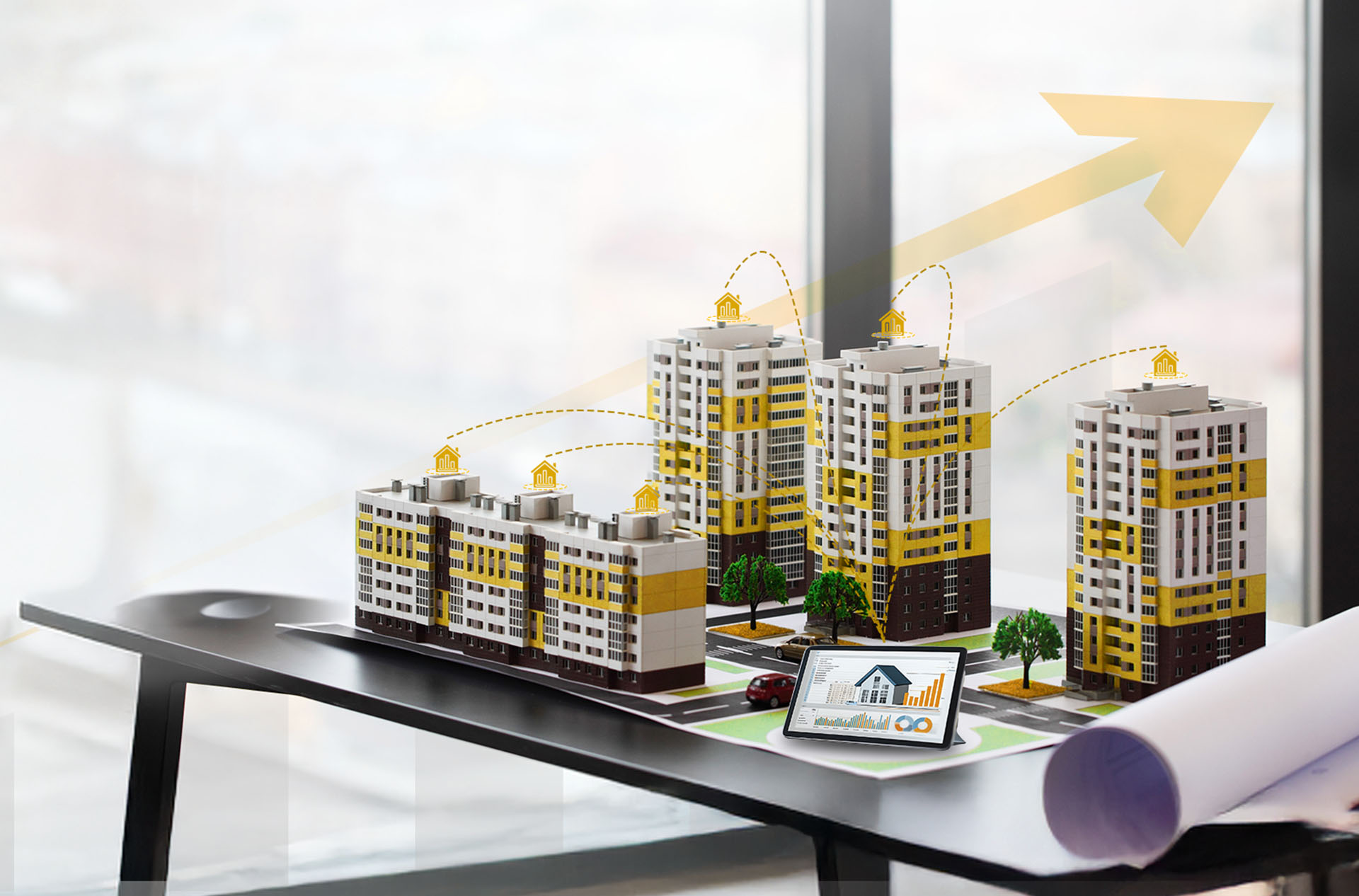


In a world that is increasingly goingdigital, it is no surprise that the property management industry is alsoundergoing a digital transformation. This change has brought about manyadvantages for landlords and tenants in theMENAreal estate marketplace. In this article, we will explore the rise of digitalproperty management in MENA and how it has impacted thereal estate industry specifically. We will also look at some of the challengesfaced by property managers during the process of digitization and how they havebeen overcome. Finally, we will discuss some of the benefits of digitizationfor both landlords and tenants in MENA region's real estate marketplaces.
The digital transformation of propertymanagement is the process of using technology to manage properties moreefficiently and effectively. This includes everything from online rent payments ndmaintenance requests to digitized lease agreements and online portals forcommunication between landlords and tenants. The use of technology in propertymanagement has increased exponentially in recent years, as it has in almostevery other industry. This is due to the fact that technology can save time,money, and resources while also increasing transparency and communication.
The rise of digital property managementin MENA has brought about many changes in the real estate industryspecifically. One of the most notable changes is the increase in online rentalpayments. In the past, tenants would have to physically go to the propertymanagement office to pay their rent. This would often result in frustratedtenants and waste of valuable time during the work week. With online rentalpayments, tenants can now pay their rent from the comfort of their own homeswith just a few clicks. This has made the process of paying rent much moreefficient for both landlords and tenants.
Another change that has come about as aresult of digital property management is the digitization of lease agreements.In the past, lease agreements were often paper-based and required tenants tophysically sign them. This would often result in delays and confusion. Withdigital lease agreements, tenants can now sign their leases electronically withjust a few clicks. This has made the process of signing a lease much moreefficient and straightforward.
One of the challenges that propertymanagers face during the digitization process is data security. With so muchinformation being stored electronically, it is important to make sure that itis safe from hacking and cyber-attacks. Property managers have overcome thischallenge by investing in data security systems and training their staff on howto use them.
Another challenge faced by propertymanagers is the need to keep up with the latest technology. As new technologiesare developed, propertymanagers need to make sure that they are using them to their advantage. Thiscan be a challenge for some property managers who are not as tech-savvy.However, there are many resources available that can help property managers tostay up-to-date with the latest technology.
The benefits of digitization for bothlandlords and tenants in the real estate market of the MENAregionare numerous. One of the most notable benefits is the increased efficiency incommunication. In the past, communication between landlords and tenants wasoften conducted via paper methods such as letters and faxes. This would oftenresult in delays and confusion. With digital communication, landlords andtenants can now communicate with each other instantaneously via email, text, oreven video chat. This has made the process of communication much more efficientand straightforward.
Another benefit of digitization is theincreased transparency it brings to the real estate industry. In the past, therewas often a lack of transparency when it came to the prices of properties andthe fees charged by property managers. With digital property management, all ofthis information is now readily available online. This has made the real estateindustry much more transparent and easier to navigate for both landlords andtenants.
The digitization of property managementin MENA region has also brought about many other benefits suchas increased efficiency, cost savings, and improved customer satisfaction. Inthe past, property management was often a time-consuming and expensive process.With digital property management, all of this has changed. Property managerscan now manage their properties more efficiently and at a lower cost. This hasresulted in increased satisfaction from both landlords and tenants.
In conclusion, the digitaltransformation of property management has had a profound impact on the realestate industry in the MENA region.The benefits for landlords and tenants have been immense, with more transparentand efficient processesthat are easier to navigate. While there are somechallenges that still needto be addressed, such as standardization of processes across differentcountries in the MENA region,the digitization of property management is poised to bring even greaterbenefits to all stakeholders involved in real estate transactions. If you wouldlike to learn more about how your business can benefit from digitization,please contact one of our experts at RealCubefor a freeconsultation.